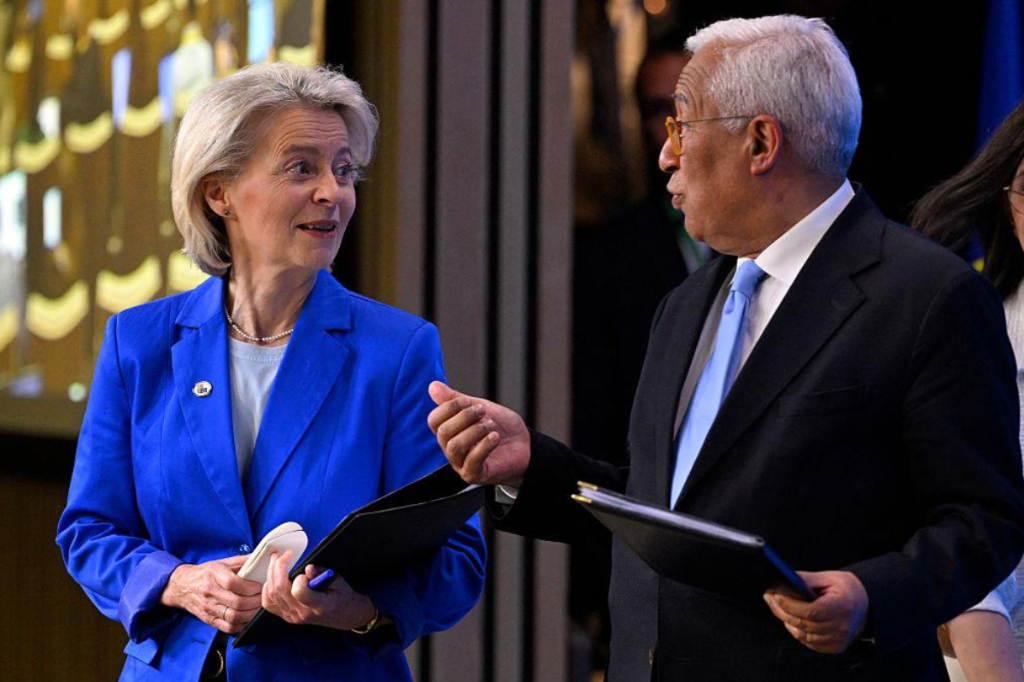
The recent accreditation of Nigerien diplomat Adamou Moumouni to the European Union has sparked intense debate: is this a genuine shift in Niamey’s approach toward Brussels, or merely a strategic move to sustain dialogue amid lingering tensions? On 22 October, Moumouni formally presented his credentials to António Costa, president of the European Council, and Ursula von der Leyen, president of the European Commission—a gesture that arrives against a backdrop of political discord, humanitarian aid disputes, and unresolved disagreements over the detention of former president Mohamed Bazoum.
Public reaction: a test of diplomatic resilience
Since the 26 July 2023 coup that ousted Bazoum, Niger’s relationship with the EU has been marked by repeated friction. Yet, despite deep-seated disagreements, diplomatic channels remain open. The accreditation of Moumouni signals a commitment to maintaining official ties, even as substantive conflicts persist. Observers now question whether this institutional continuity could pave the way for a broader recalibration of relations—or if it simply reflects a pragmatic effort to keep communication alive in turbulent times.
The humanitarian aid dispute: sovereignty vs. independence
One of the most contentious episodes emerged in November 2024, when a €1.3 million EU aid package for flood victims ignited a diplomatic row. Niger’s transitional government argued that the assistance—directed to international NGOs like the International Committee of the Red Cross (ICRC), Danish Refugee Council, and Cooperazione Internazionale—had been allocated without sufficient consultation. Authorities in Niamey insisted they had not requested the funds, preferring to address the crisis independently, and demanded the withdrawal of the EU ambassador, Salvador Pinto da França, accusing him of overstepping diplomatic boundaries.
The EU, however, stood firm, defending its humanitarian principles of neutrality, impartiality, and independence. Brussels condemned Niamey’s political framing of the aid and temporarily recalled its ambassador for consultations. The standoff underscored a fundamental divide: Niger’s insistence on sovereign control over domestic interventions versus the EU’s adherence to autonomous humanitarian mechanisms. For flood-affected communities, the dispute highlighted the human cost of geopolitical tensions.
Bazoum’s detention: a symbol of wider divisions
In March 2026, the European Parliament escalated tensions by adopting a resolution demanding the immediate and unconditional release of Mohamed Bazoum. Passed with an overwhelming majority—524 votes in favor, two against, and 29 abstentions—the measure reflected Europe’s ongoing concerns about democratic backsliding in Niger. For Niamey, however, such external interference in what it views as internal affairs remains a red line. The deadlock over Bazoum’s status is emblematic of broader disagreements about governance, legitimacy, and the post-coup political trajectory.
Looking ahead: dialogue without reconciliation?
Against this fractious backdrop, Moumouni’s accreditation offers a glimmer of stability. For Niger, retaining a diplomatic presence in Brussels ensures a platform to advocate for its interests amid regional security and economic challenges. For the EU, sustained dialogue provides a framework to address critical issues, even absent broader political alignment.
Yet, the path to genuine reconciliation remains uncertain. Will this diplomatic gesture lead to renewed cooperation on humanitarian coordination, political engagement, or security collaboration? Or will both sides continue to navigate a strained relationship, where official interactions mask deeper ideological rifts? The coming months will reveal whether this accreditation marks the beginning of a thaw—or merely a temporary pause in a prolonged standoff.
The bigger picture: balancing interests in a volatile region
The Sahel’s instability demands pragmatic engagement from all stakeholders. Niger’s decision to uphold diplomatic ties with the EU, despite unresolved conflicts, suggests a recognition of mutual dependencies. For Brussels, the stakes are equally high: maintaining influence in a region where instability can have far-reaching consequences.
Ultimately, Moumouni’s role may serve as a litmus test. Can Niger balance its sovereign assertions with the need for international partnerships? Can the EU reconcile its humanitarian and political objectives with Niger’s evolving priorities? The answers will shape not only bilateral relations but also the broader geopolitical landscape of West Africa.